
Energy, ecology and online casinos: three areas shaping digital reality
The modern world stands at the crossroads of technological innovation and environmental challenges. The digital entertainment industry, particularly the online gambling segment, is undergoing rapid transformation under the influence of sustainable development requirements. Analytical platforms such as Legjobb Kaszino, where experts conduct detailed reviews of gambling platforms, have begun to include environmental criteria in their assessments of operators. This reflects the growing attention to the relationship between energy consumption, environmental protection and digital services, which are shaping a new standard of responsible business.
Global energy challenges of the digital age
The digital economy consumes about 10% of global electricity production, and this figure is growing by 5-7% every year. Internet infrastructure requires a continuous power supply for billions of devices, servers and network equipment. The paradox is that technologies designed to make life easier are placing an additional burden on energy systems and natural resources.
Data centres have become one of the largest consumers of electricity in developed countries. For comparison, one large centre consumes as much energy as 50,000 households. Cooling, backup and uninterruptible power supply systems double the basic requirements. In countries where electricity is generated from fossil fuels, this directly translates into greenhouse gas emissions. The transition to renewable energy sources is becoming not just a trend, but a necessity for the survival of the planet.
The environmental footprint of the entertainment industry
The online entertainment industry generates a significant environmental impact through constant data transfer, content visualisation and transaction processing. Every streaming video session, every live dealer game, every real-time bet requires servers around the world to work. Multiply that by millions of simultaneous users, and you get colossal energy consumption.
3D games, virtual reality, and live broadcasts are particularly energy-intensive. High-quality graphics, smooth animation, and interactive elements require powerful computing resources. Cryptocurrency transactions, popular in the gambling sector, add another level of consumption through blockchain computing. At the same time, the industry has the potential for innovation — code optimisation, efficient compression algorithms, and smart resource management can significantly reduce the environmental footprint.
The Hungarian market: from traditional to digital casinos
Hungary has a rich history in the gambling industry with legendary land-based establishments. Las Vegas Casino Corvin, Las Vegas Casino Atlantis and Las Vegas Casino Sofitel have set the standard for quality service. Tropicana Casino, Las Vegas Casino Atrium EuroCenter and the historic establishment in Sopron attract thousands of visitors every year. Win Gyor, Onyx, and Grand Casino continue the tradition of elite gambling in the region.
These land-based establishments also face environmental challenges — energy consumption of buildings, air conditioning, lighting, and waste disposal. However, their impact is localised and measurable. Digital platforms, on the other hand, spread their energy consumption globally through distributed data centres. The Hungarian market is undergoing a transformation as traditional operators go online and new players build their businesses on digital technologies with environmental standards in mind.
New platforms 2026 and environmental responsibility
The next generation of gaming platforms demonstrates a radically different approach to environmental issues. Online casino 2026 implements sustainable development principles at the design stage, rather than as an additional option. These new casinos choose hosting providers with carbon neutrality certificates, use CDN networks powered by renewable energy, and optimise their software code for minimal resource consumption.
Innovative operators publish annual carbon footprint reports, set emission reduction targets, and invest in offset programmes. Some platforms partner with reforestation projects, donating a portion of their revenue to environmental initiatives. Blockchain casinos are switching to energy-efficient protocols such as proof-of-stake. Transparency of environmental performance is becoming a competitive advantage, attractive to a new generation of conscious players who value not only service quality but also business responsibility.
Renewable energy for digital infrastructure
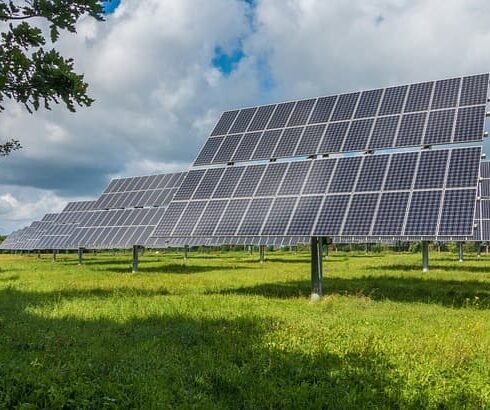
The transition to green energy is a key factor in reducing the environmental impact of digital services. Leading technology companies are building their own solar and wind power plants to power data centres. The geographical location of servers in Scandinavia takes advantage of the cold climate for natural cooling. Iceland attracts cryptocurrency farms with geothermal energy.
Renewable energy certificates allow even small operators to offset their consumption. Green electricity supply contracts are becoming the norm for responsible companies. New-generation energy-efficient processors reduce consumption by 40-50% without compromising performance. Artificial intelligence systems optimise server loads in real time, turning on power only when needed. Investments in renewable energy pay off not only environmentally, but also economically through lower electricity costs.
Technological innovations for environmental friendliness
Modern technologies offer many solutions for reducing the environmental footprint. Machine learning optimises traffic routing, reducing the distance of data transmission. Edge computing brings computing closer to the user, saving bandwidth. Data compression with minimal loss of quality reduces the load on the network.
Server equipment is becoming modular and easily scalable, allowing capacity to be precisely tailored to actual load. Liquid cooling uses heat exchange more efficiently than traditional air cooling. Utilising heat from servers for space heating creates additional savings. Virtualisation and containerisation increase the efficiency of hardware resource utilisation. The new generation of blockchain is moving away from energy-intensive mining in favour of consensus mechanisms with minimal consumption.
The role of users in sustainable development

Individual consumer choices shape the demand for green services. Users can consciously choose platforms with green energy certificates and transparent environmental policies. Reducing video resolution, closing unnecessary tabs, and regularly cleaning up digital clutter are simple steps with a noticeable effect.
Supporting companies’ environmental initiatives through loyalty and positive reviews encourages other brands to follow suit. Active use of energy-efficient devices reduces overall electricity consumption. Remote work and online services replace transportation, offsetting part of the digital footprint. Education about the environmental impact of technology helps people make informed choices. The collective action of millions of users creates critical mass for systemic change.
Prospects for the integration of three areas
The future lies in the harmonious integration of energy, ecology and digital technologies. Smart grids will synchronise electricity demand with the availability of renewable sources. Artificial intelligence will predict peak loads and optimise resource allocation. Quantum computers will perform complex calculations with minimal energy consumption.
The online casino and entertainment industry has a unique opportunity to become a leader in sustainable development. High profits allow investment in innovation, and a global audience creates reputational pressure for environmental responsibility. Regulatory bodies are beginning to include environmental criteria in their licensing requirements. International cooperation is spreading best practices around the world. Partnerships between technology companies, energy providers and operators are creating synergies for comprehensive solutions. The digital reality of the future will be green — or it will not be at all.