


Welcome!


Citizens are mobilizing. In the United States and around the world, over 450 groups are now working on coal issues. Most of these are locally based organizations whose effectiveness is often overlooked. The mission of CoalSwarm is to assist this movement by building shared resources.

Citizen Activism
The worldwide citizens’ movement to replace coal with cleaner sources of energy ranges from small groups meeting in living rooms to student groups to large environmental and health organizations. Activist strategies include public education, litigation, action by shareholders, testimony before regulatory bodies, legislative and regulatory initiatives, philanthropy, and nonviolent direct action. The CoalSwarm wiki provides information on all these approaches to the problem of coal. In addition, the wiki provides information on related topics such as public polling and journalists writing about coal issues.

Coal as a Key to Climate Change
Coal-fired power plant emissions represent about a third of global warming gases, but coal’s role in global warming is especially significant because of the size of coal reserves. James Hansen, director of NASA’s Goddard Space Institute, has advocated a moratorium on new coal-fired power plants and a phaseout of the existing coal fleet. Hansen has said that ending emissions from coal “is 80% of the solution to the global warming crisis.”

A Myriad of Health and Environmental Impacts
In additional to global warming, coal produces a myriad of health effects and environmental impacts throughout the cycle of mining, preparation, transport, combustion, and waste storage. These include acid mine drainage; air pollutants from coal-fired power plants including sulfur dioxide, nitrogen oxides, particulates, mercury and other heavy metals, and radionuclides; air pollution from coal mines including particulates, methane, and other gases; coal fires; coal combustion waste, the nation’s largest waste stream after municipal solid waste; coal sludge generated by washing coal; large-scale disasters such as the Buffalo Creek Flood and the Tennessee coal ash spill; forest destruction caused by mountaintop removal mining; acid rain from coal plant emissions; greenhouse gas emissions caused by surface mining’s effect on soils and ground cover; loss or degradation of groundwater; radical disturbance of millions of acres of farmland, rangeland, and forests through surface mining and longwall mining; thermal pollution to waterways caused by release of plant cooling water; soot released by coal trains, barges, ships, and terminals; disruption to local communities from plant construction and coal trains; runoff from waste coal piles; and the immense cooling water requirements of coal-fired power plants.

Industry and Lobbying
The CoalSwarm wiki provides a range of information on the coal and power industries, including profiles of hundreds of power companies and agencies, mining companies and agencies, synfuels companies, banks and other financiers, lobbying groups, PR companies, trade associations, front groups, and PR campaigns. The industry’s “clean coal” campaign is covered from historical, technical, and marketing angles. Information is also provided on railroads, ports, and other infrastructure.

The CoalSwarm Wiki: A Movement-Building Tool
Based on the same collaborative software platform used by Wikipedia, the CoalSwarm wiki allows users in any country to share information, thereby providing a common resource for the worldwide citizens’ movement to address the impacts of coal and move to cleaner sources of energy. Containing over 4,700 articles on coal-related topics, this information clearinghouse provides a constantly expanding body of information that anyone can utilize and contribute to. Each week, the wiki receives 60,000 page views, serving activists, journalists, workers, policy makers, students, and others.

Alternatives to Coal
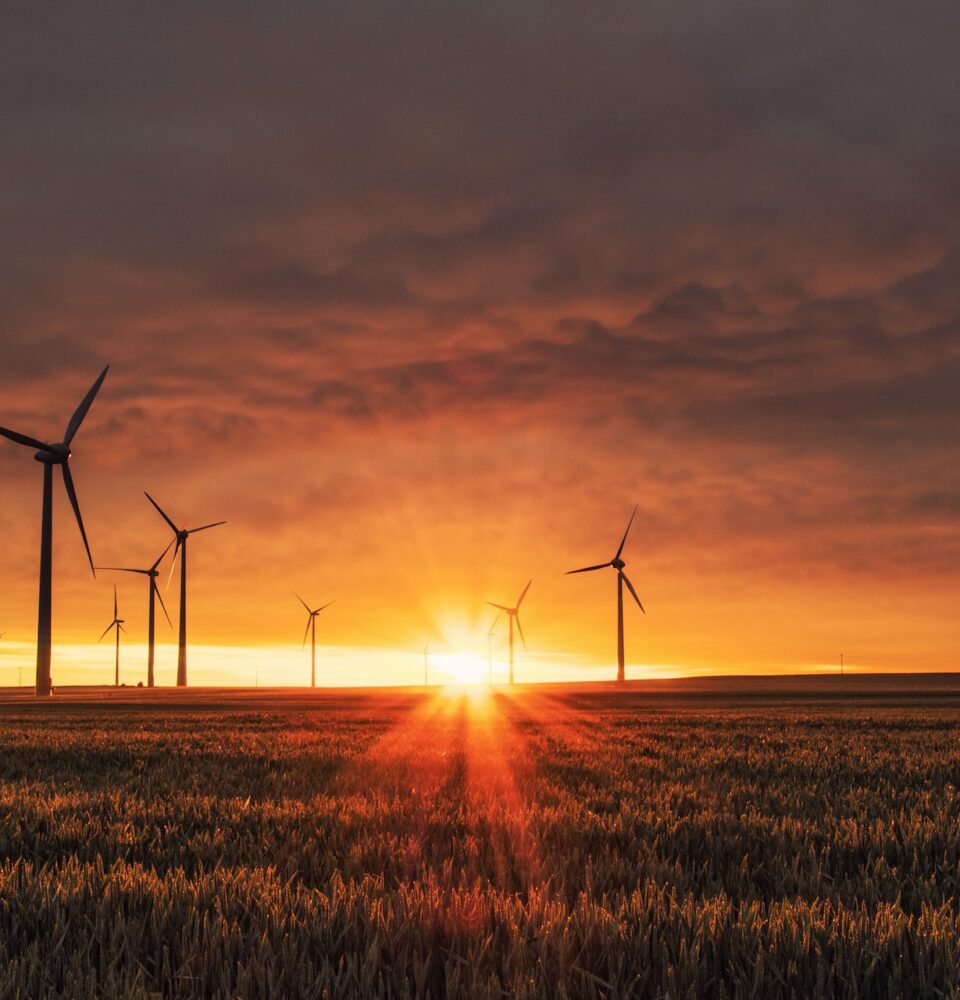
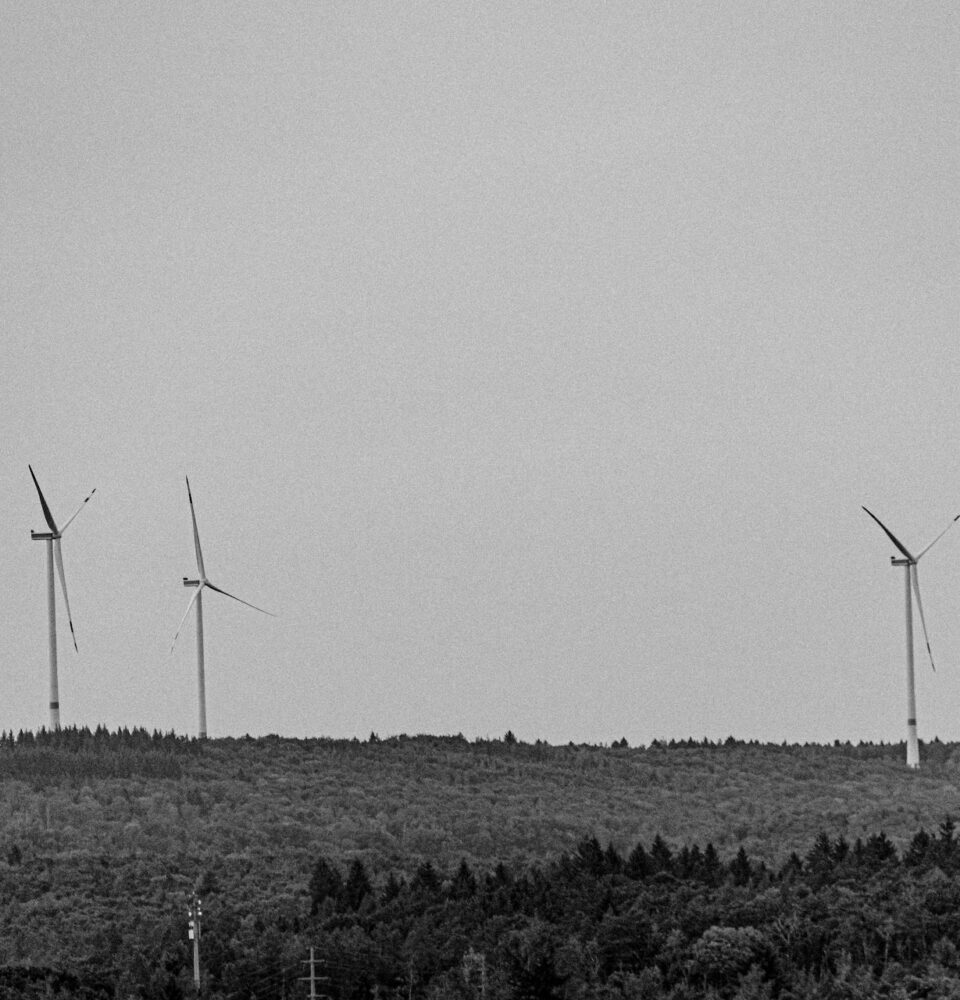
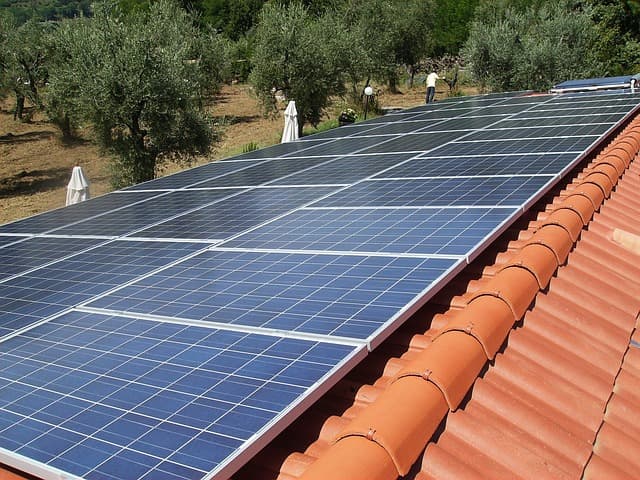
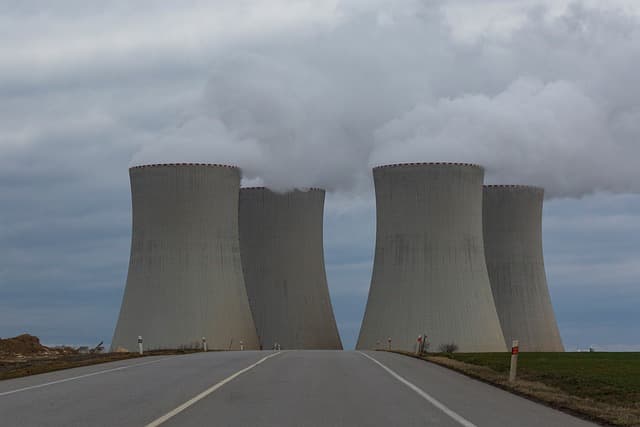
Widely touted as an inexpensive source of electricity, coal is not cheap when health and environmental costs — “externalities” — are considered. Such external costs amount to about $345 billion annually in the United States alone, raising the cost of electricity from coal by 18 cents per kilowatt hour. A range of other power sources is both cheaper and cleaner, including wind, solar thermal, solar photovoltaic, geothermal, and efficiency measures. In addition to providing information on these alternatives, the CoalSwarm wiki also examines other power sources that may be considered in relation to coal such as nuclear power, natural gas, and biomass. The wiki also includes information on a variety of policy options for replacing coal, including cap and refund, carbon fees, carbon trading, renewable portfolio standards, decoupling, and feed-in tariffs.

Economics, Financing, Jobs, and Subsidies
To help those evaluating the factors perpetuating coal’s role in the economy as well as those involved in replacing coal, the CoalSwarm wiki provides a variety of economic information including state subsidies, federal subsidies, coal industry jobs, state-funded coal marketing programs, federal coal leasing, and financing of coal plants internationally by the World Bank and other institutions.

Exports
Increasingly, coal exports are becoming a major issue, especially among Pacific-rim countries such as China, Indonesia, and Australia. Recently, plans have emerged for new export facilities in the Pacific Northwest region of the United States. Such rail and port facilities would enable the export of the huge coal reserves of the Powder River Basin to China and other destinations.

Carbon Capture and Storage
The CoalSwarm wiki also provides information on carbon capture and storage, including profiles of programs and demonstration projects around the world.

Synfuels
The CoalSwarm wiki includes a variety of pages on coal-to-liquids technology, proposed synfuels plants, synfuels companies and agencies, and synfuels in Australia and China.

General Information
Books about coal
Documentaries about coal
Journalists covering coal
Mining and utility executives
Photo and video collections
Studies

Comments are closed.